Secondary Circuit Thresholds Reshaping Global League Hierarchies

Secondary circuits in global athletics operate as testing grounds where performance thresholds emerge before they influence primary league standings, and researchers have tracked these patterns through statistical models applied across multiple sports since the early 2010s. Data from developmental leagues in soccer, basketball, hockey and baseball reveal consistent correlations between breakout metrics and subsequent shifts in championship distributions among top clubs and national teams.
Defining Breakout Thresholds in Developmental Systems
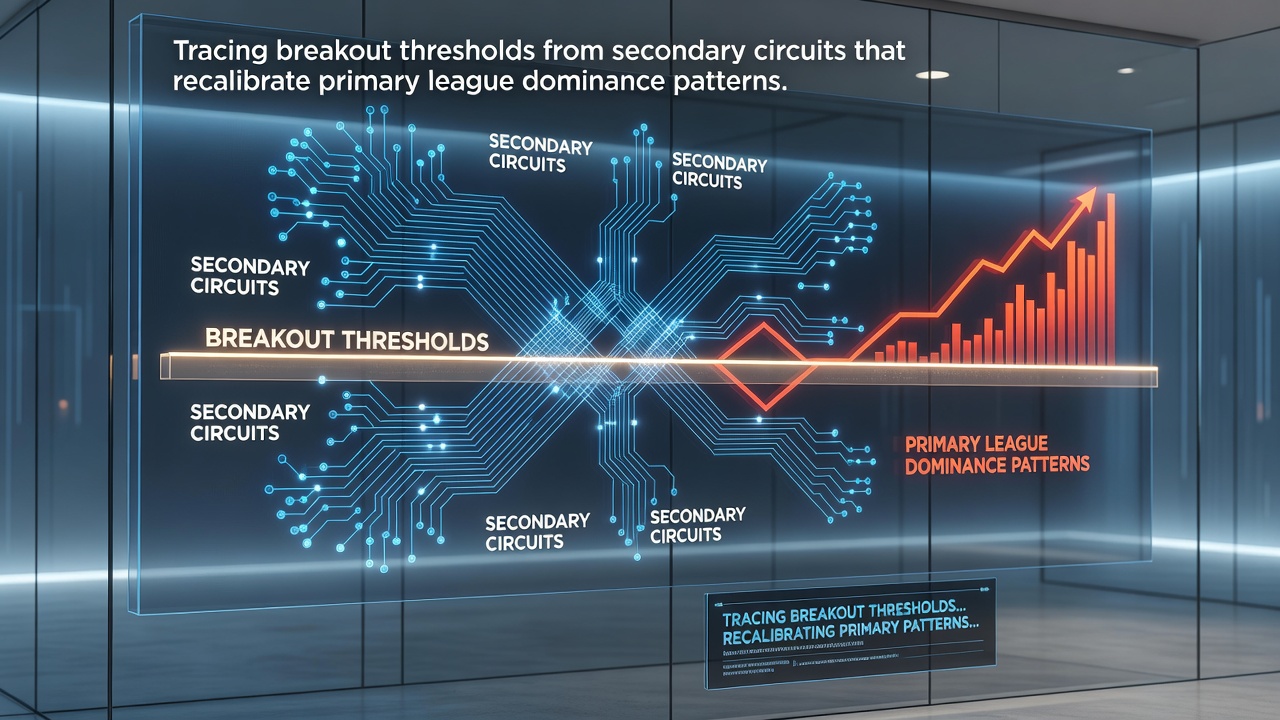
Breakout thresholds represent specific statistical benchmarks achieved in secondary leagues that precede measurable changes in primary league outcomes, such as altered win percentages or title frequencies. Studies conducted by sports analytics groups indicate that players crossing certain efficiency markers in reserve competitions often contribute to recalibrated dominance when promoted, and this pattern holds across regions including Europe, North America and Asia-Pacific competitions.
League organizers maintain detailed tracking systems that capture these transitions, allowing analysts to map how minor circuit performances feed into major standings adjustments. For instance, European soccer academies have documented cases where youth squad goal creation rates above established averages align with first-team improvements in domestic and continental rankings during subsequent seasons.
Cross-Sport Patterns Observed Through 2026
International federations compile comparative datasets showing similar dynamics in basketball's G League affiliates, baseball's minor league systems and rugby's developmental pathways. Figures released in early 2026 highlight how certain rebound and assist thresholds in North American basketball reserves preceded measurable increases in playoff qualification rates for parent franchises.
Regional Variations in Threshold Application
North American hockey organizations apply models that link junior league scoring rates to NHL team performance trajectories, while Australian and New Zealand rugby bodies track equivalent metrics from their grade competitions into Super Rugby results. The Australian Institute of Sport has published reports detailing how these secondary benchmarks influence national team selections and international tournament placements.
Asian soccer leagues demonstrate parallel effects where performances in second-division circuits correlate with shifts in top-flight title races, and observers note that promotion-linked data points frequently precede dominance changes at the highest levels. These patterns extend to June 2026 preparations for major events including the FIFA World Cup, where national federations incorporate secondary circuit insights into squad evaluations.
Data Integration Methods Across Organizations
Primary leagues increasingly integrate secondary circuit statistics into their operational frameworks through partnerships with research institutions and governing bodies. The International Olympic Committee has supported initiatives that standardize metric collection across Olympic sports, enabling clearer identification of thresholds that affect medal table positions over multi-year cycles.
Canadian sports agencies contribute longitudinal studies demonstrating how thresholds in junior hockey and basketball circuits precede professional league adjustments, and these findings complement work from European counterparts. Analysts combine datasets to produce predictive frameworks that account for player movement between levels and the resulting recalibration of team hierarchies.
League-Specific Examples and Metric Tracking
In baseball, organizations monitor minor league strikeout and on-base percentages that historically align with major league pennant race modifications, while soccer federations examine second-team pass completion rates as indicators of first-team tactical evolution. Basketball associations track developmental league three-point efficiency figures that correspond with shifts in conference standings during following campaigns.
These tracking efforts rely on standardized reporting protocols established by international bodies, and data aggregation allows for cross-league comparisons that reveal broader patterns in how secondary successes redistribute primary dominance. Reports from academic research centers confirm the repeatability of these correlations across different competitive calendars and geographic zones.
Conclusion
Secondary circuit thresholds continue to serve as leading indicators for primary league recalibrations in athletics worldwide, with established data collection methods supporting ongoing analysis through 2026 and beyond. Organizations maintain these systems to monitor player development pathways and their effects on championship distributions across sports and regions.