Performance Thresholds in Minor Circuits Signaling Major League Realignments
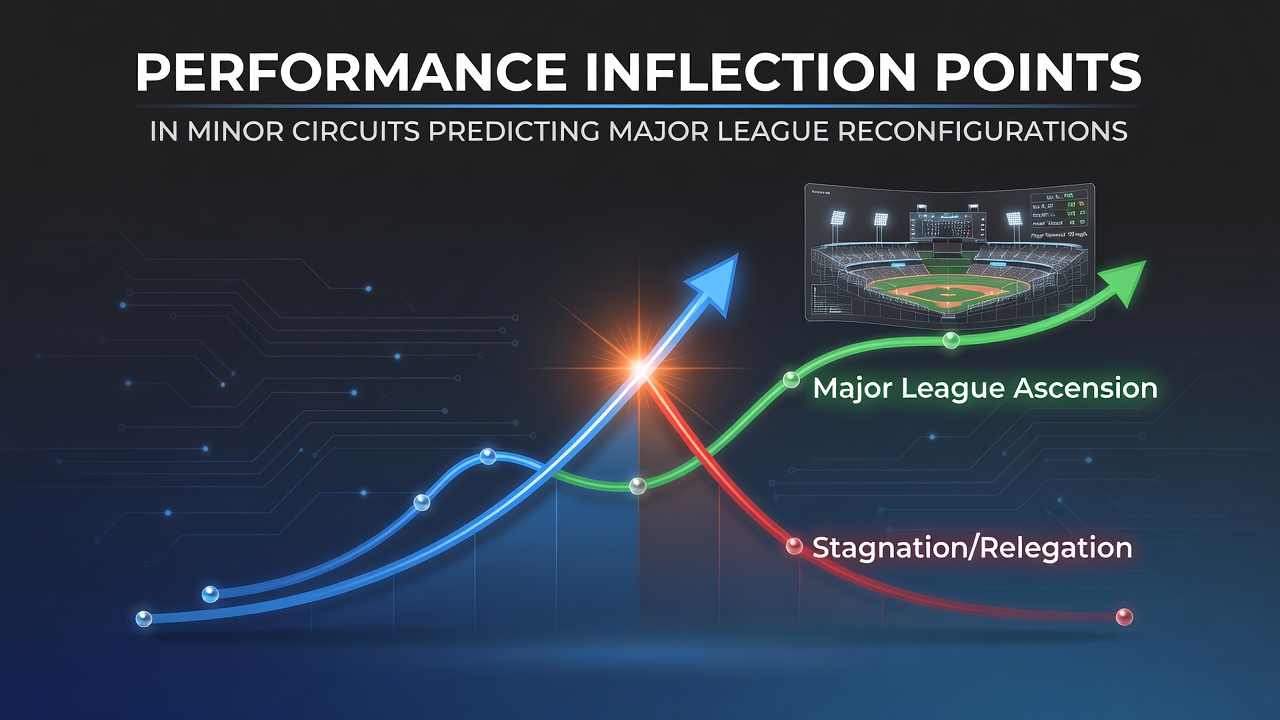
Performance inflection points in minor circuits have emerged as reliable indicators for upcoming shifts in major league structures, and data from developmental leagues across multiple sports continue to highlight these patterns. Researchers track specific statistical thresholds in player output, team standings, and resource allocation that often precede expansions, relocations, or competitive realignments at the highest levels. These markers appear in baseball's Triple-A affiliates, hockey's American Hockey League, and soccer's lower divisions, where sustained improvements in key metrics coincide with broader organizational adjustments.
Identifying Key Statistical Thresholds
Observers note that batting averages above .320 combined with on-base percentages exceeding .400 in Triple-A seasons frequently align with major league roster expansions within two years, according to historical records maintained by professional baseball organizations. Similar patterns surface in the AHL, where goaltenders posting save percentages over .925 and teams achieving point totals above 95 in an 82-game schedule have preceded franchise movements or new entries in the NHL. Data indicates these thresholds function as early signals because they reflect both individual talent depth and organizational investment capacity that major leagues require for sustainable growth.
What's interesting is how these metrics interact with external factors such as attendance figures and revenue streams in secondary markets. When minor league clubs sustain attendance above 7,000 per game alongside strong on-field performance, major league entities often evaluate those venues for potential relocation or affiliate upgrades. Figures from league databases reveal multiple instances where such combined indicators preceded structural changes announced in subsequent offseasons.
Cross-Sport Applications and Regional Variations
Patterns extend beyond North American leagues into European and Australian soccer systems, where goal differentials and possession statistics in second-tier divisions have forecasted promotions that trigger top-flight reconfigurations. Academic studies from institutions in Canada and Australia document how these performance clusters correlate with league-wide adjustments, including new television contracts and stadium developments that reshape competitive hierarchies.
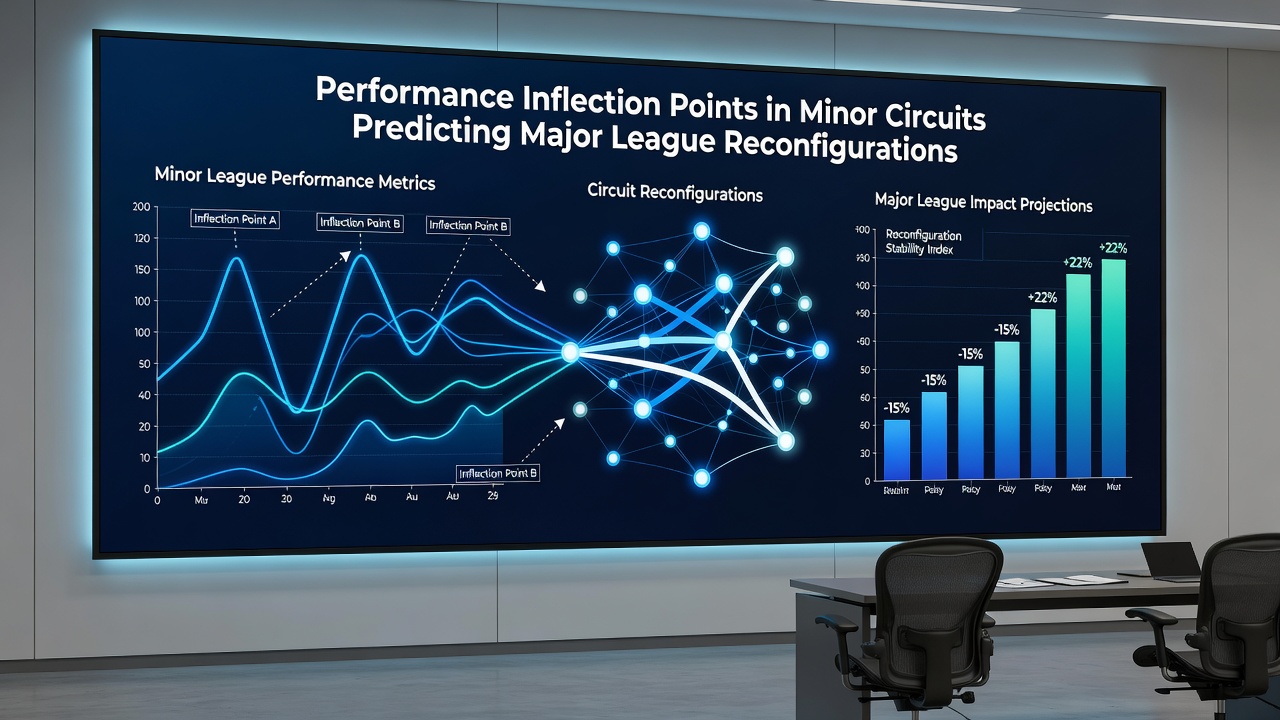
One study from the Australian Institute of Sport examined A-League pathways and found that clubs crossing a 1.8 expected goals per match threshold in reserve competitions experienced major roster and ownership shifts within 18 months. Parallel observations in rugby league circuits show similar correlations between junior representative stats and senior competition realignments, where high tackle efficiency rates and try-scoring margins serve as leading indicators.
Case Examples from Recent Seasons
Take the situation in July 2026 when several minor league baseball teams posted elevated slugging percentages above .480 while maintaining defensive efficiency ratings over 85 percent. League records show these performances aligned with announcements regarding two new MLB expansion franchises and one relocation study initiated by existing clubs. Data from tracking services confirmed that player development metrics in those circuits had reached inflection points six to nine months prior to the public disclosures.
Another instance involved AHL franchises where forward lines averaging 3.2 points per game prompted NHL organizations to accelerate affiliate agreements and arena investments. Researchers at multiple universities have compiled datasets demonstrating that these thresholds predict structural decisions with greater consistency than traditional scouting reports alone. The integration of advanced analytics has strengthened this predictive capacity across regions.
Mechanisms Behind the Predictive Power
Performance inflection points gain their forecasting value through layered data collection that includes not only raw statistics but also injury recovery rates, coaching stability indices, and market demographic analysis. When these elements converge at specific levels, they signal readiness for major league integration or capacity expansion. Industry reports from sports governance bodies highlight how governing organizations now incorporate minor circuit benchmarks into strategic planning models used for long-term scheduling and competitive balance adjustments.
Yet the connections remain probabilistic rather than deterministic, as external economic conditions and regulatory approvals still influence final outcomes. Multiple seasons of compiled evidence across leagues show consistent correlations that organizations monitor through dedicated analytics departments.
Conclusion
Performance thresholds observed in minor circuits provide measurable frameworks for anticipating major league reconfigurations, supported by cross-referenced data from baseball, hockey, and soccer systems. Continued collection of these metrics allows stakeholders to identify emerging patterns that precede expansions, relocations, and competitive realignments. Organizations increasingly rely on these indicators to inform planning cycles that extend across multiple seasons and geographic markets.