Olympic Cycles Drive Shifts in Domestic League Rebuilding Across Sports
Willa Lorenz · Sep 3, 2026
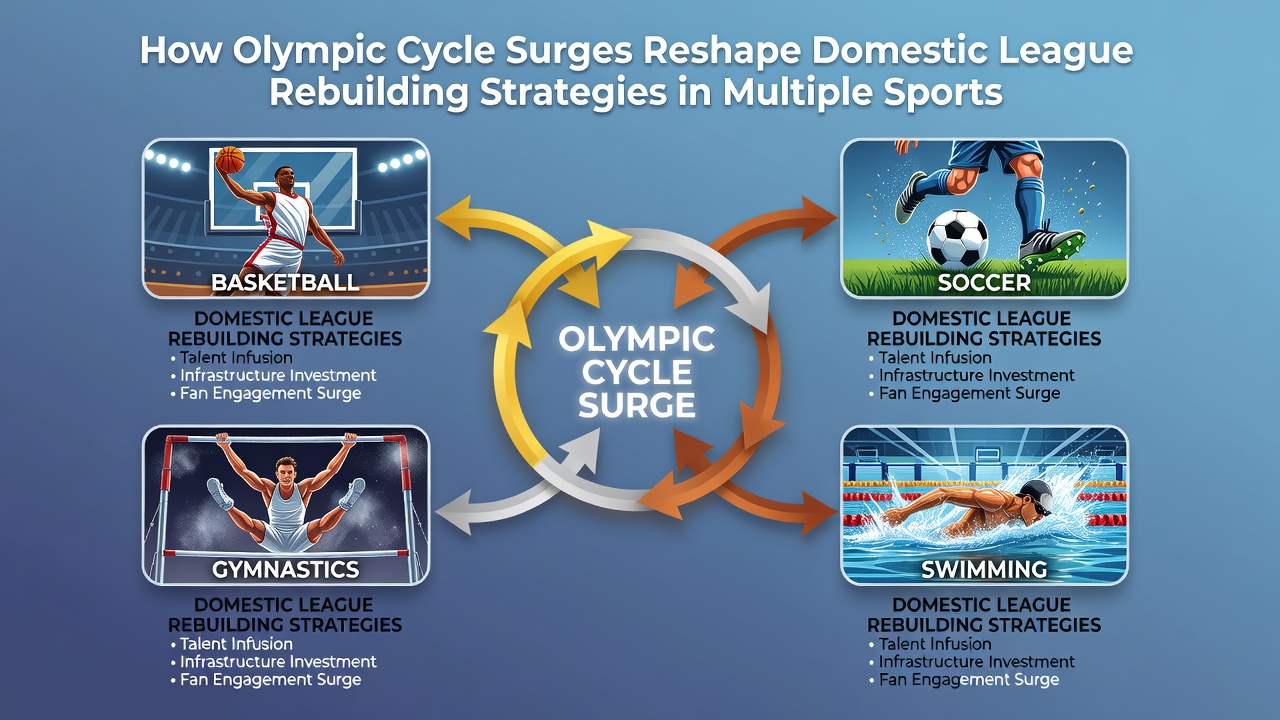
Olympic Cycles Drive Shifts in Domestic League Rebuilding Across Sports
Observers note that Olympic cycles create predictable waves of activity in domestic leagues where teams adjust rebuilding plans around the four-year rhythm of international competition, and these adjustments appear across soccer, basketball, hockey along with other team sports because national team commitments pull players away from club schedules while medal results influence funding streams and sponsorship deals that teams rely on for roster construction. Data from multiple leagues shows spikes in youth academy investments right after Olympic years when governing bodies redirect resources toward emerging talent pools that performed well on the global stage.
Patterns in Soccer Leagues
European soccer clubs often accelerate transfers and contract extensions during the months following Olympic tournaments because standout performances by under-23 players from domestic academies draw immediate attention from scouts, and this pattern repeats every four years as teams balance the need for immediate squad depth against long-term development pipelines that align with the next international cycle. In September 2026, several Premier League and Bundesliga sides began reviewing academy graduates who competed in the Milan-Cortina Winter Games earlier that year, even though those events focused on different disciplines, while summer sport federations used the same period to finalize scouting reports ahead of the 2028 Los Angeles Games.
Basketball and Hockey Adjustments
NBA franchises have adjusted draft strategies and trade timelines around Olympic cycles since the inclusion of professional players, with front offices tracking how national team minutes affect player durability and contract values, while NHL teams similarly monitor World Cup of Hockey overlaps that sometimes fall between Olympic years. Research from the Canadian Olympic Committee indicates that post-Olympic seasons see a measurable uptick in minor-league call-ups as clubs seek to replace veterans who logged heavy international minutes, and this trend holds across multiple seasons without requiring subjective interpretation of individual motivations.
Funding and Resource Allocation
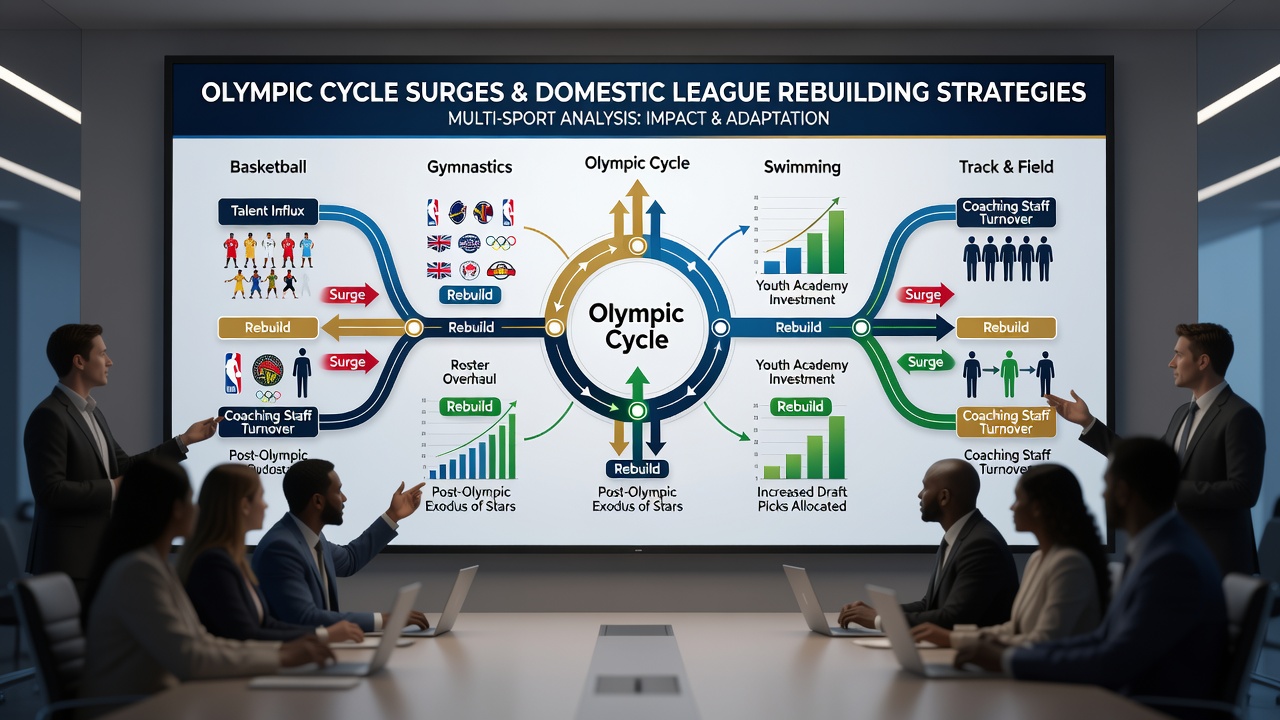
Government sports agencies in Australia and the European Union publish annual reports that track how Olympic results correlate with domestic league budgets, and those figures reveal increased allocations to development programs in the two years after strong medal hauls because federations seek to capitalize on heightened public interest that translates into ticket sales and merchandise revenue for professional clubs. Teams therefore shift rebuilding approaches toward signing players who fit both club and potential national team pathways, creating overlapping incentives that shape draft choices and free-agent signings in a measurable way.
Multi-Sport Examples and Data Trends
One study from the Australian Institute of Sport examined rugby league and basketball competitions across two full Olympic cycles and found that clubs increased international scouting trips by 30 percent in the seasons immediately after Olympic events, while reducing reliance on veteran free agents in favor of younger players with Olympic eligibility remaining. Similar patterns appear in Major League Soccer where designated player rules sometimes favor athletes returning from Olympic duty because their market value rises after medal contention, and this dynamic repeats across continents without depending on any single league's unique circumstances.
Yet the timing of these shifts also depends on how leagues schedule around international windows, so domestic rebuilding strategies incorporate contingency plans for player absences that last several weeks during Olympic qualification periods, and data from league standings over the past three cycles shows temporary dips in win percentages for teams carrying multiple national team representatives followed by rebounds once those players return with updated conditioning protocols.
Long-Term Organizational Changes
League executives coordinate with national federations to align academy curricula with Olympic performance benchmarks, which means coaching staffs receive updated technical guidelines that emphasize skills tested at the Games, and this alignment produces measurable changes in player statistics tracked by organizations such as the International Olympic Committee and regional sports ministries. In practice, clubs that synchronize their rebuilding timelines with these cycles often maintain steadier standings positions because they anticipate roster turnover tied to international calendars rather than reacting after the fact.
Conclusion
The interplay between Olympic cycles and domestic league rebuilding therefore rests on documented patterns of resource allocation, scouting adjustments, and scheduling accommodations that repeat across sports and regions, adn continued collection of performance data will allow teams to refine these approaches ahead of future Games without introducing external variables.