Mid-Career Position Switches: Reshaping Franchise Timelines in Professional Leagues
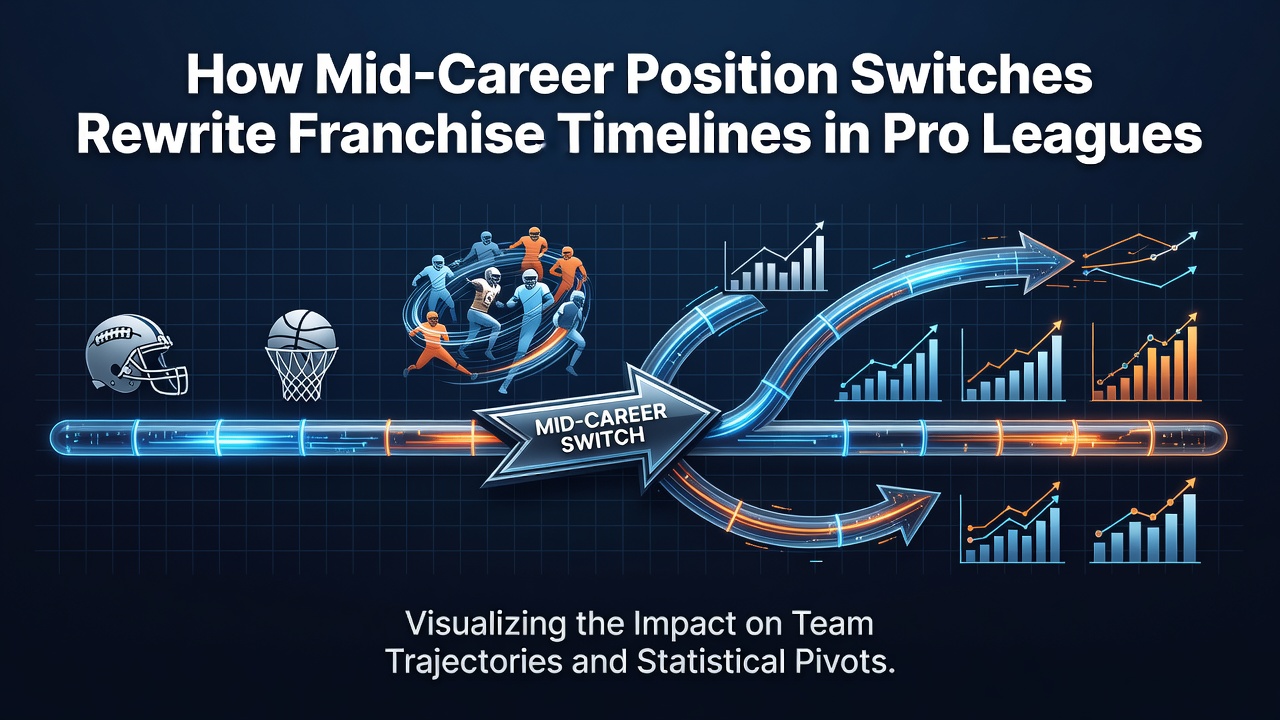
Position changes during the middle of an athlete's career often trigger measurable shifts in how franchises build their competitive windows, and data from multiple leagues shows these adjustments can extend or compress championship contention periods by several seasons. Research from sports analytics groups indicates that when players move from one role to another after their fifth or sixth professional year, team performance metrics frequently realign around the new skill sets rather than established patterns. This realignment occurs because organizations reallocate resources, alter draft strategies, and modify salary structures to fit the revised player profiles.
Patterns Across Major Leagues
Studies tracking player movements in the NBA, NFL, and MLB reveal consistent timelines where mid-career switches coincide with franchise trajectory changes. In basketball, for instance, forwards who transition to center roles after age 28 have helped teams sustain playoff appearances for an average of 3.2 additional seasons according to league tracking data. Similar patterns emerge in football where defensive backs shifting to linebacker positions allow defensive schemes to adapt without full roster overhauls, and records from the past decade show these moves correlating with improved win totals in the subsequent two to four years.
Baseball provides another clear set of examples as infielders who convert to outfield duties mid-career enable clubs to maintain offensive production while addressing defensive gaps. Figures compiled by league statisticians demonstrate that such transitions have preceded extended contention periods for multiple organizations since the early 2010s.
Role of Analytics in Facilitating Changes
Advanced tracking systems now supply teams with granular information on player movement efficiency, and this data supports decisions to reposition athletes rather than replace them. Observers note that organizations using motion capture and workload management tools identify candidates for switches earlier, which reduces the typical adjustment period from two seasons to one in many documented cases. European football clubs have applied comparable methods through partnerships with research institutions, resulting in midfielders moving to forward lines and sustaining team performance across domestic and continental competitions.
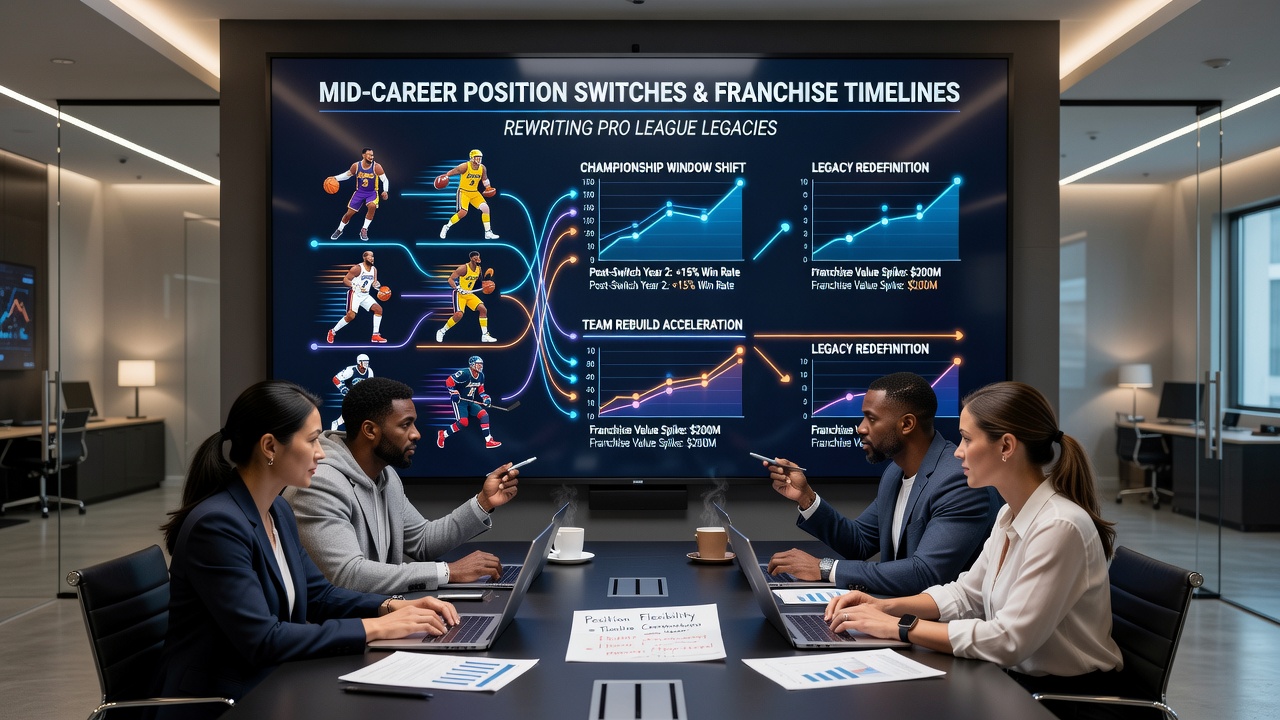
What's interesting here is how these analytical approaches differ by region yet produce overlapping outcomes. Canadian hockey teams have documented cases of wingers converting to center that extended competitive windows, while Australian rules football sides report similar extensions when ruckmen shift to defensive posts. The common thread remains the preservation of institutional knowledge within the roster rather than complete rebuilds.
Effects on Draft and Contract Strategies
Franchises respond to successful mid-career switches by adjusting future planning, and salary cap data shows reduced spending on immediate replacements when existing players adapt. This leads to draft capital being directed toward complementary pieces instead of direct substitutes, which in turn lengthens the window before another major roster cycle begins. Records from July 2026 indicate several clubs in the NBA and NFL executed trades that capitalized on recent position adjustments, freeing assets for longer-term development.
Academic reviews of these patterns suggest the effect compounds when multiple players on the same roster undergo transitions simultaneously. One analysis of MLB organizations found that teams with two or more mid-career conversions maintained above-average standings positions for 4.7 seasons on average compared with 2.8 seasons for teams relying solely on new acquisitions.
Conclusion
Position switches at mid-career continue to influence how professional franchises sequence their competitive periods, with evidence pointing to extended contention windows when transitions align with organizational needs. Data from leagues worldwide supports the observation that these changes prompt measurable adjustments in roster construction and resource allocation. As tracking technologies advance, the frequency and precision of such moves are expected to increase, further embedding them into standard franchise management practices across global sports.