From Debut Metrics to Enduring Success: How Early Indicators Shape Athlete Careers and Team Histories in Professional Leagues

Initial performance markers in elite leagues often set the trajectory for both individual athletic careers and the broader narratives of franchises that build around them, with data from debut seasons providing measurable signals about longevity and organizational stability. Researchers tracking metrics such as points per game, save percentages, or yards per carry in the first year of professional play have observed consistent correlations with extended tenures, while teams that integrate these early standouts tend to accumulate championship appearances and sustained playoff runs over decades.
Defining Key Markers Across Major Sports
Performance indicators at the professional entry point include statistical thresholds like rookie scoring averages above league medians or defensive efficiency ratings that exceed established benchmarks, and these figures frequently appear in studies examining career spans. In basketball and hockey leagues, for instance, players who post above-average assist-to-turnover ratios or plus-minus values during their initial campaigns show higher probabilities of reaching ten or more seasons at the top level. Soccer organizations similarly monitor clean sheet percentages and expected goal differentials from new signings, patterns that connect directly to club records of consecutive European competition qualifications.
Those who've studied these datasets note how such markers function as predictors rather than guarantees, yet the pathways remain evident in franchise archives where early contributors anchor roster cores for extended periods. Data compiled through June 2026 continues to reinforce these links across North American and European circuits, revealing clusters of athletes whose debut outputs aligned with multi-year contracts and leadership roles.
Pathways Linking Individuals to Organizational Heritage
Franchises that identify and retain talent based on these initial signals often develop institutional memory around specific eras, as seen when a single standout rookie class coincides with periods of elevated win totals and revenue growth. One case involves European football clubs that leveraged debut-season goal contributions from academy graduates to establish decades-long presence in continental tournaments, while North American teams in baseball and football have documented parallel trends where early power-hitting or rushing metrics preceded multiple division titles. Observers note that these alignments create feedback loops, where sustained athlete presence reinforces team identity and attracts further high-potential recruits.
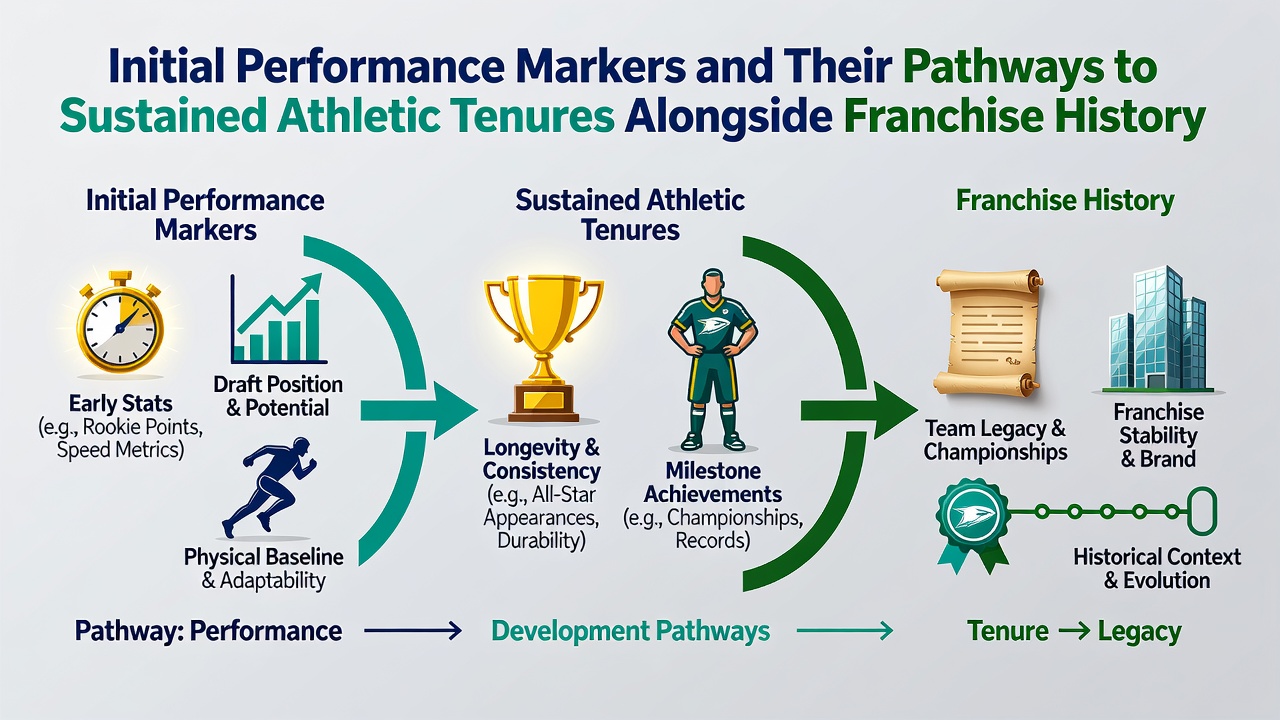
Longer sentences here connect the dots between isolated debut statistics and cumulative franchise outcomes: a hockey goaltender posting elite save rates in year one might anchor a club's defensive identity through successive roster rebuilds, leading to repeated appearances in championship rounds and elevated historical rankings within league records. Similar dynamics appear in rugby and other global codes, where reserve-to-starter transitions based on early workload tolerance metrics have shifted standings and created lasting competitive advantages for organizations willing to invest in those signals.
Comparative Analysis Across Leagues and Regions
Regional variations emerge when comparing North American drafts to international transfer systems, yet core patterns persist: athletes clearing certain performance gates in their first professional year demonstrate elevated retention rates, according to aggregated league reports. Academic analyses from institutions in Australia and Canada have examined these thresholds in cricket and ice hockey respectively, showing how initial workload management and efficiency numbers translate into extended participation and franchise stability measured by attendance figures and sponsorship continuity. European regulatory bodies tracking multi-sport data similarly highlight connections between debut benchmarks and reduced turnover in club leadership structures.
What's interesting involves the interplay with external factors such as coaching stability and medical protocols, which amplify or diminish the predictive power of early markers without altering their foundational role in career mapping. Teams incorporating advanced tracking technologies report more precise identification of these pathways, leading to refined draft strategies that prioritize not just raw output but durability indicators evident from day one.
Conclusion
Evidence from multiple elite leagues demonstrates that initial performance markers serve as reliable entry points into discussions of sustained athletic tenures and franchise continuity, with statistical clusters revealing repeatable routes from debut seasons to long-term organizational legacies. Continued monitoring of these metrics across global competitions will likely refine understanding of how individual trajectories intersect with team histories, providing clearer frameworks for both player development and institutional planning.