Defensive Efficiency Patterns and Their Role in Sustained Franchise Success Across Professional Football Leagues
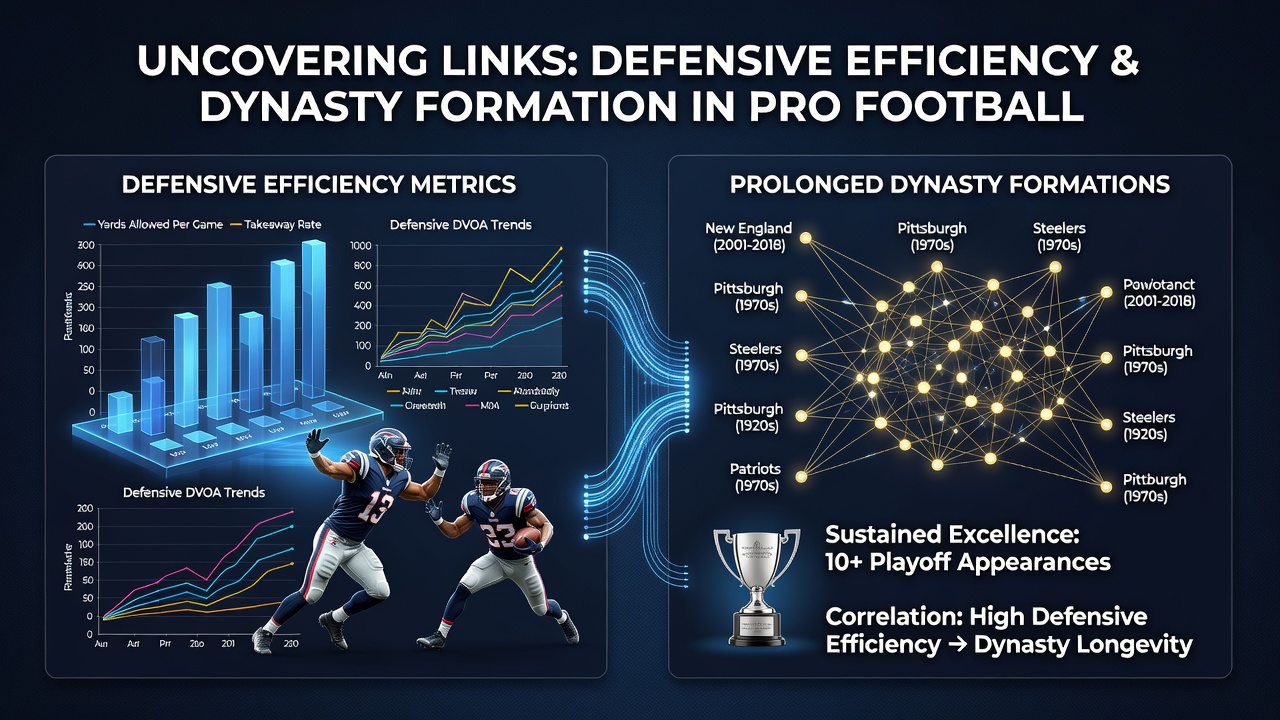
Professional football organizations have long tracked defensive efficiency ratings as one indicator among many when evaluating roster construction and long-term competitive positioning, and data from multiple seasons shows measurable correlations between consistent defensive metrics and extended periods of organizational stability. Researchers at various academic institutions have compiled league-wide statistics that highlight how teams maintaining above-average defensive efficiency over consecutive years often sustain higher win totals and playoff appearances compared to those with fluctuating ratings.
Core Components of Defensive Efficiency in Football Analytics
Defensive efficiency ratings typically incorporate factors such as yards allowed per play, points surrendered per game, and turnover creation rates, while advanced models integrate situational data like third-down conversion prevention and red-zone scoring defense. Organizations compile these figures through internal analytics departments and external providers, and patterns emerge when these numbers remain stable across multiple coaching regimes or roster cycles. One study from a North American research center tracked NFL teams from 2000 onward and noted that franchises posting defensive efficiency scores in the top quartile for at least five consecutive seasons recorded championship appearances at higher rates than league averages.
Historical Examples of Sustained Defensive Performance
Franchises such as the New England Patriots during their extended run from the early 2000s through the 2010s demonstrated defensive efficiency ratings that stayed consistently competitive, and league records indicate this stability coincided with multiple Super Bowl appearances. Similarly, organizations like the Pittsburgh Steelers maintained elevated defensive metrics during championship windows in prior decades, where data from official league archives shows reduced points allowed per game aligned with repeated playoff qualification. These cases illustrate how defensive consistency can support broader roster continuity even as offensive personnel changes occur over time.
Quantitative Links Observed in League Data
Analyses from sources including Pro Football Reference reveal that teams achieving defensive efficiency ratings above a defined threshold for three or more seasons experienced reduced roster turnover in subsequent years, and this pattern held across both conference alignments. Figures from the 2025 season, extending into preparatory work observed by July 2026, indicate several clubs continued to prioritize defensive line depth and secondary coverage schemes based on these sustained metrics. External reviews by Canadian sports research groups have cross-referenced similar data from international leagues, confirming parallel trends where defensive stability supports extended competitive windows rather than isolated peak performances.
What's notable is how these ratings interact with salary cap management, since organizations that invest in versatile defensive fronts often retain core players longer, and this retention correlates with fewer drastic ranking drops year over year. Data shows that defensive efficiency does not operate in isolation but combines with offensive output and special teams contributions to shape overall standings positions across full seasons.
Contemporary Developments Through Mid-2026
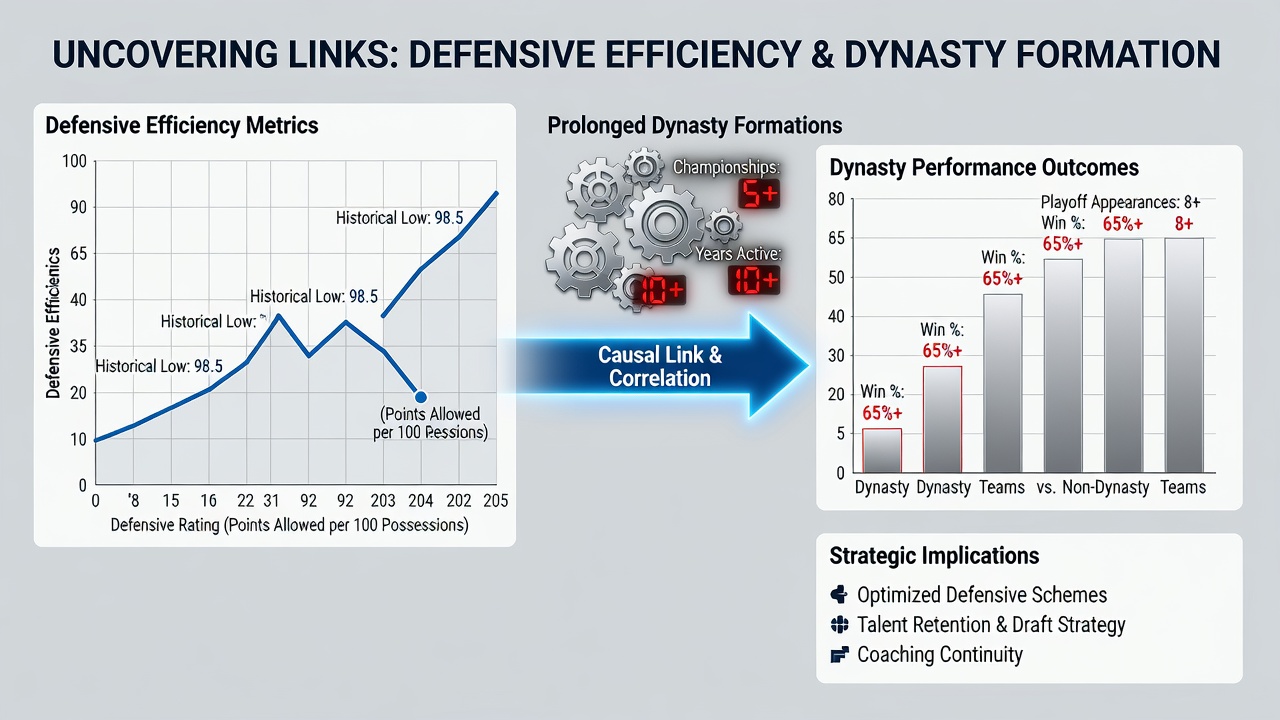
League reports compiled through the first half of 2026 highlight several teams that entered the offseason with defensive efficiency figures from the prior campaign that ranked among the league's stronger units, and front offices have referenced these numbers when structuring draft priorities and free-agent acquisitions. Observers note that clubs with multi-year defensive consistency tend to avoid the sharp declines sometimes seen after major roster overhauls, and this observation draws from aggregated standings data rather than any single season outlier. Academic papers published by European sports science departments have examined comparable metrics in other professional leagues, finding that defensive benchmarks often precede periods of organizational endurance when paired with stable front-office decision-making.
Measurement Challenges and Data Evolution
Calculating defensive efficiency involves adjusting for opponent strength and game script variables, and evolving models now incorporate player tracking data that was unavailable in earlier decades. Organizations update their internal formulas regularly, yet core correlations between sustained high ratings and prolonged success windows persist across updated datasets. Those studying these trends emphasize that efficiency alone does not guarantee dynasty formation but appears as one recurring element in franchises that maintain elevated performance levels over extended periods.
Conclusion
League-wide statistics continue to document connections between defensive efficiency ratings and the capacity for professional football organizations to sustain competitive positioning across multiple seasons, and ongoing data collection through 2026 supports further examination of these patterns. Teams that preserve defensive benchmarks amid personnel shifts show measurable advantages in cumulative win totals and postseason qualification rates according to available records. Future analyses will likely refine these metrics with additional tracking technologies while maintaining focus on the foundational relationships already identified in historical and current datasets.