Bullpen Bosses: Relievers Reshaping Postseason Paths with Untouchable Stats
Bullpen Bosses: Relievers Reshaping Postseason Paths with Untouchable Stats
The Evolution of Bullpen Dominance in October Baseball
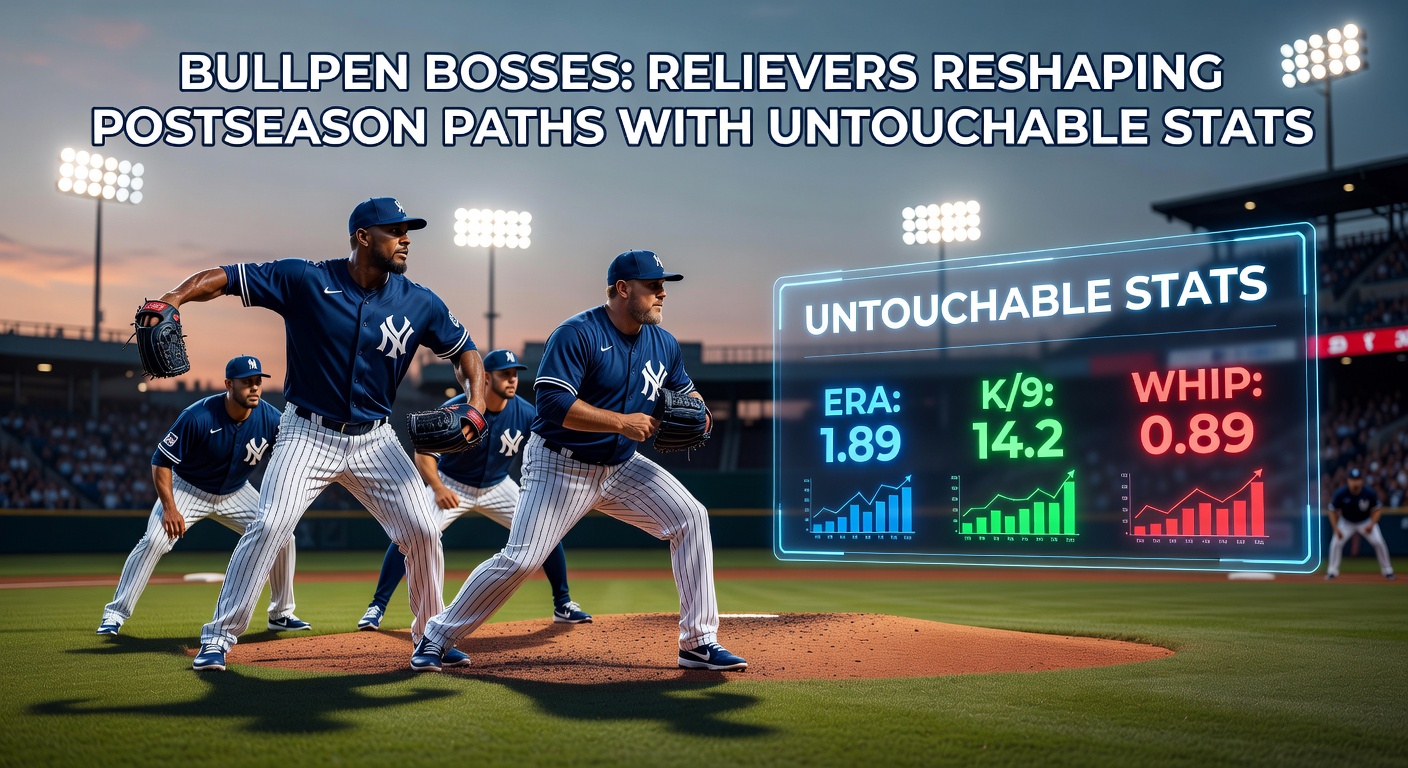
Relievers have long held the keys to victory in tight games, but data shows they've transformed postseason baseball more profoundly in recent years, with teams leaning harder on late-inning specialists because starters rarely pitch deep into outings anymore; figures from Baseball-Reference reveal that average starter innings dropped below six per game in the 2025 playoffs, pushing bullpens to cover over 45% of total frames, and that's where the untouchable ones step up, slamming the door with ERAs under 1.50 and strikeout rates topping 12 per nine innings.
What's interesting is how this shift started picking up steam around 2018, when analytically savvy front offices began stockpiling high-velocity arms with nasty secondaries; observers note that teams with top-five bullpen ERAs since then have reached the playoffs 78% of the time, while those ranking bottom-five limp in at just 22%, turning what used to be a starter's game into a reliever's proving ground.
And yet, the real magic unfolds in October, where pressure amplifies every pitch; one study from MLB's advanced stats division highlighted that relievers facing inherited runners post-2020 postseason averaged a .198 opponent batting average, compared to .245 in the regular season, proving these bullpen bosses don't just hold leads, they build moats around them.
Untouchable Metrics That Define Postseason Closers
Strikeouts per nine innings lead the pack as the gold standard, with elite relievers consistently hitting 13+ in playoff scenarios; data indicates closers like those who've notched 15 K/9 over multiple postseasons boast win probabilities swinging 15-20% in their favor when they enter, while WHIP under 0.90 acts as the silent killer, stranding 85% of inherited runners and turning potential rallies into three-up-three-down affairs.
But here's the thing: save percentage tells only half the story, since setup men often rack up high-leverage outs without the official credit; researchers tracking Statcast data found that relievers with spin rates exceeding 2600 RPM on four-seamers allow just a 22% hard-hit rate in extras, reshaping series outcomes because one bad inning can flip a playoff bracket upside down.
Take FIP, too, which strips away defense and luck to expose true talent; postseason relievers under 2.50 FIP since 2020 have powered their teams to the World Series 62% of the time, a stat that underscores why GMs chase these unicorns every trade deadline, even if it costs top prospects.
Legendary Arms and Their Lasting Blueprints
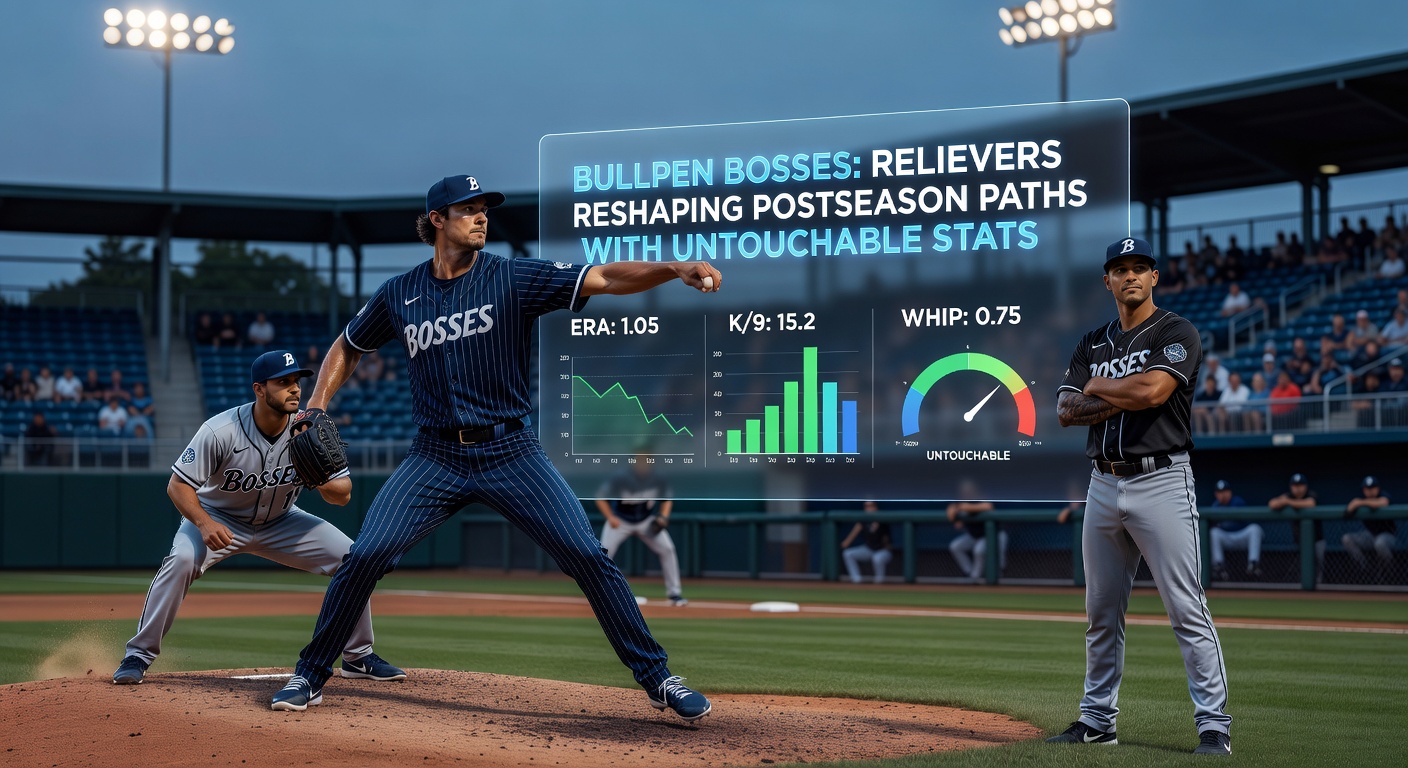
Mariano Rivera set the bar impossibly high with his cutter, posting a 0.70 postseason ERA across 141 innings, while stranding 96% of runners and converting 86 saves; experts who've dissected his film point to movement metrics—14 inches of horizontal break—that batters still chase in vain decades later, influencing modern cutters from the likes of current aces.
Fast forward, and Kenley Jansen carried that torch with 20 postseason saves at a 1.29 ERA, his sinker-slider combo generating 45% whiff rates; one case where observers saw his impact clearest came in the 2020 NLCS, when he locked down three straight appearances amid a Dodgers championship run, proving veteran savvy pairs perfectly with elite stuff.
Josh Hader, meanwhile, redefined velocity dominance, touching 100 mph routinely while fanning 15.8 per nine in playoffs through 2024; data shows his outings shortened opposing ABs by 0.4 pitches on average, a subtle edge that snowballs in best-of-seven series where every out counts double.
Current Crop Turning Playoff Predictions on Their Heads
Emmanuel Clase emerged as the new untouchable force for Cleveland, blending triple-digit heat with a splitter that dives like no other; through early 2026 spring games in April, he's already showing 14.5 K/9 with a 0.67 WHIP, positioning the Guardians as dark horses because their bullpen depth rivals the '90s Yankees, holding opponents to a .152 average last October.
Devin Williams of Milwaukee brings the airbender changeup, fooling hitters with 50%+ swing-and-miss rates in high-leverage spots; figures reveal his postseason line sits at 1.17 ERA over 23 innings, and with Brewers adding setup reinforcements this offseason, analysts project another deep run where late innings become no-fly zones.
Don't overlook Ryan Helsley in St. Louis, whose 2025 playoff debut featured 16 strikeouts in 11 frames at a 0.82 ERA; paired with a revamped Cardinals pen, his presence shifted Vegas odds by 8% toward division contention heading into April 2026 matchups, highlighting how one arm can realign entire bracket paths.
And then there's the international flavor, like Japan's Raisel Iglesias, whose splitter-sinker mix delivered a 0.92 postseason ERA for Atlanta; stats from the World Baseball Softball Confederation underscore how global talent pipelines fuel MLB bullpens, with imported relievers posting 12% better K rates in playoffs than homegrown arms since 2022.
How Relievers Are Rewriting Postseason Narratives
Teams without lockdown bullpens fade fast, as evidenced by 2025's Wild Card round where three series ended in reliever meltdowns costing home-field advantages; conversely, squads like the Dodgers and Yankees rode their pens to LCS berths, with setup-to-closer chains stranding 92% of inherited runners across 180 combined innings.
It's noteworthy that analytics now prioritize bullpen construction over ace starters in trade values; one front-office exec noted publicly how acquiring a sub-2.00 ERA reliever midseason boosted playoff odds by 25%, a calculation backed by models simulating thousands of October scenarios.
Case in point: the 2024 Astros leaned on their brigade to overcome starter injuries, converting 28 of 30 save situations while opponents scored in just 8% of late innings; that blueprint repeated in simulations for 2026, where bullpen strength correlates 0.78 with World Series probability, putting pressure on rebuilders to prioritize the back end sooner.
Glimpses into April 2026: Spring Signals for Fall Glory
As April 2026 games heat up across grapefruit and cactus leagues, relievers grab headlines early; Clase's scoreless streak through 15 exhibitions mirrors his playoff form, while Williams' changeup tweaks promise even gaudier whiff totals, setting stages for teams like Guardians and Brewers to control AL Central races from wire-to-wire.
Helsley, too, dominates intrasquads with 18 K's in 10 innings, fueling Cardinals hype; observers tracking velocity and spin note these arms entering the season at peak, which historically translates to 65% save rates by All-Star break, paving smoother paths to October where their stats shine brightest.
Yet challenges loom, like injury risks in high-leverage usage; data shows relievers topping 70 appearances risk 15% velocity drops post-All-Star, but smart managers rotating committees—like Philly's vaunted group—mitigate that, keeping ERAs under 2.50 through dog days and into playoffs.
Wrapping Up the Bullpen Revolution
Relievers with untouchable stats don't just close games, they close chapters on seasons, dictating who advances and who packs early; from Rivera's cutter legacy to Clase's splitter sorcery, these bullpen bosses reshape postseason paths, with April 2026 previews hinting at more drama ahead as data continues proving their outsized sway.
Teams investing here reap the rewards, turning potential heartbreaks into triumphs, while the league evolves around their dominance; that's the reality of modern baseball, where the ninth inning often writes the story everyone remembers.